Conversa Blog
Learn. Grow. Speak.
Tips, updates, and insights for language learners
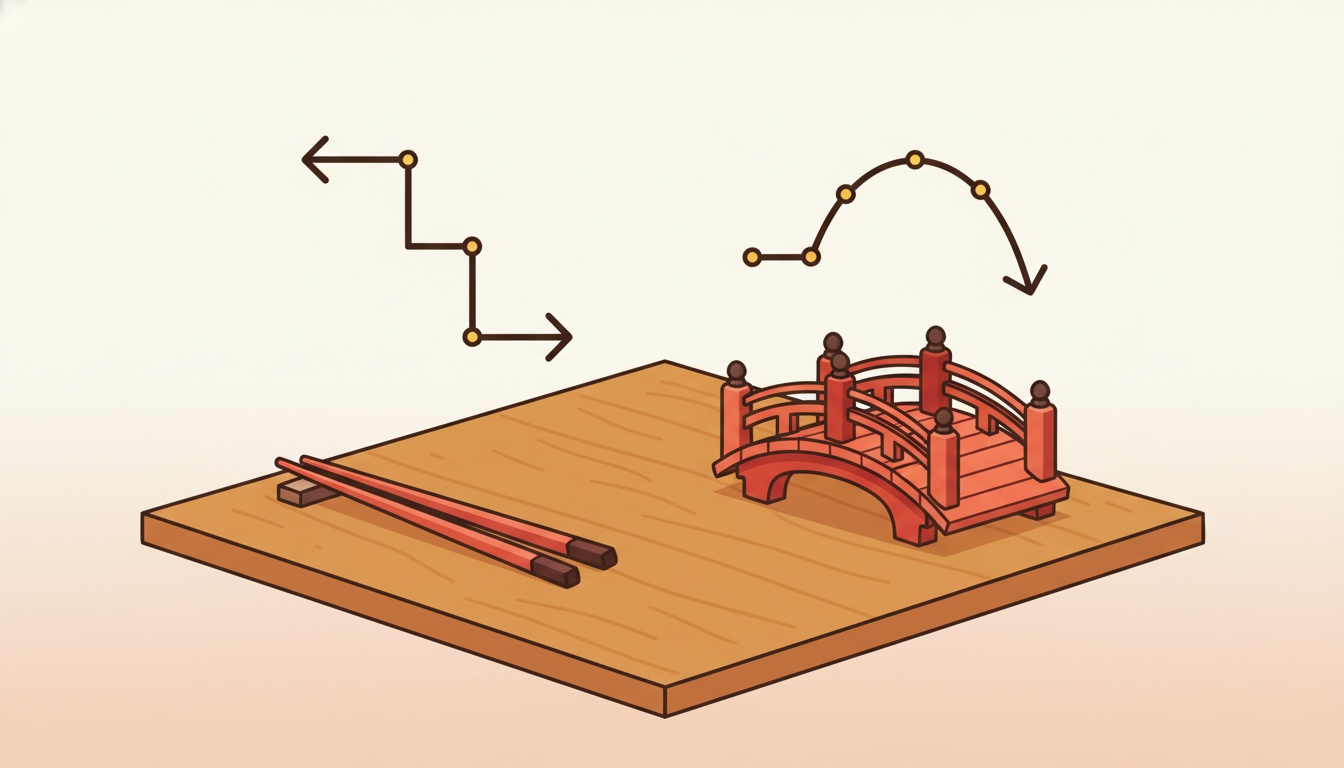
Japanese pitch accent: why 'no tones' makes you sound flat
English speakers are told Japanese has no tones, but it does have pitch accent. Learn the four patterns, the heiban default, and how to use OJAD.

Konglish Words by Scenario: Real Korean, Not Broken English
Konglish words like 핸드폰, 서비스, and 원피스 aren't broken English — they're legitimate Korean vocabulary. A scenario guide to using them like natives do.

Japanese counters: why 'one pen' is ippon, not ichi-hon
Japanese counter sound changes follow three rules, not thirty exceptions. Learn the p/k/s-row pattern, 12 essential counters, and one escape hatch.
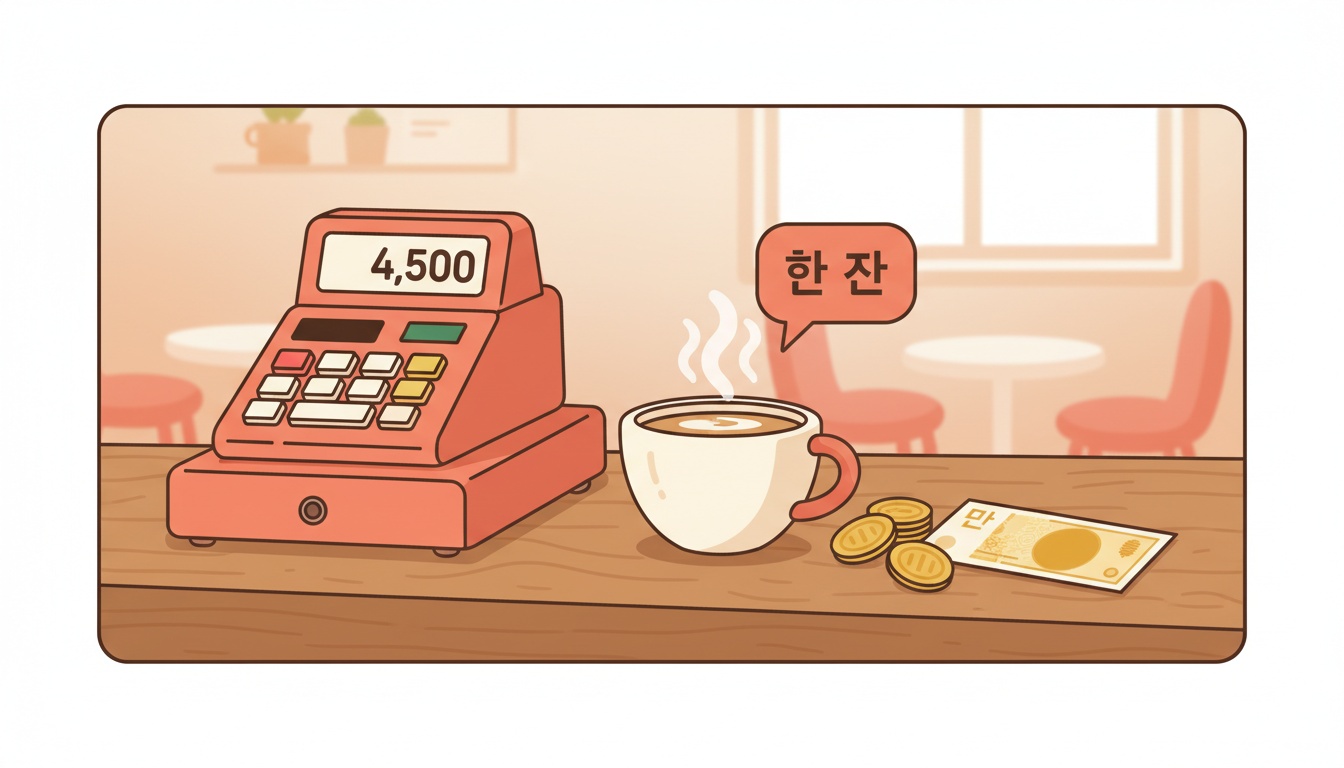
Korean Numbers: Native vs Sino-Korean and When to Use Each
Korean has two number systems and beginners need both. Learn which to use for time, age, money, and ordering with scenario-based rules.

的, 地, 得: The Three Mandarin De Particles by Position
One sound, three characters. Here's how to tell Mandarin's 的, 地, and 得 apart using one position rule — and when native speakers actually care.
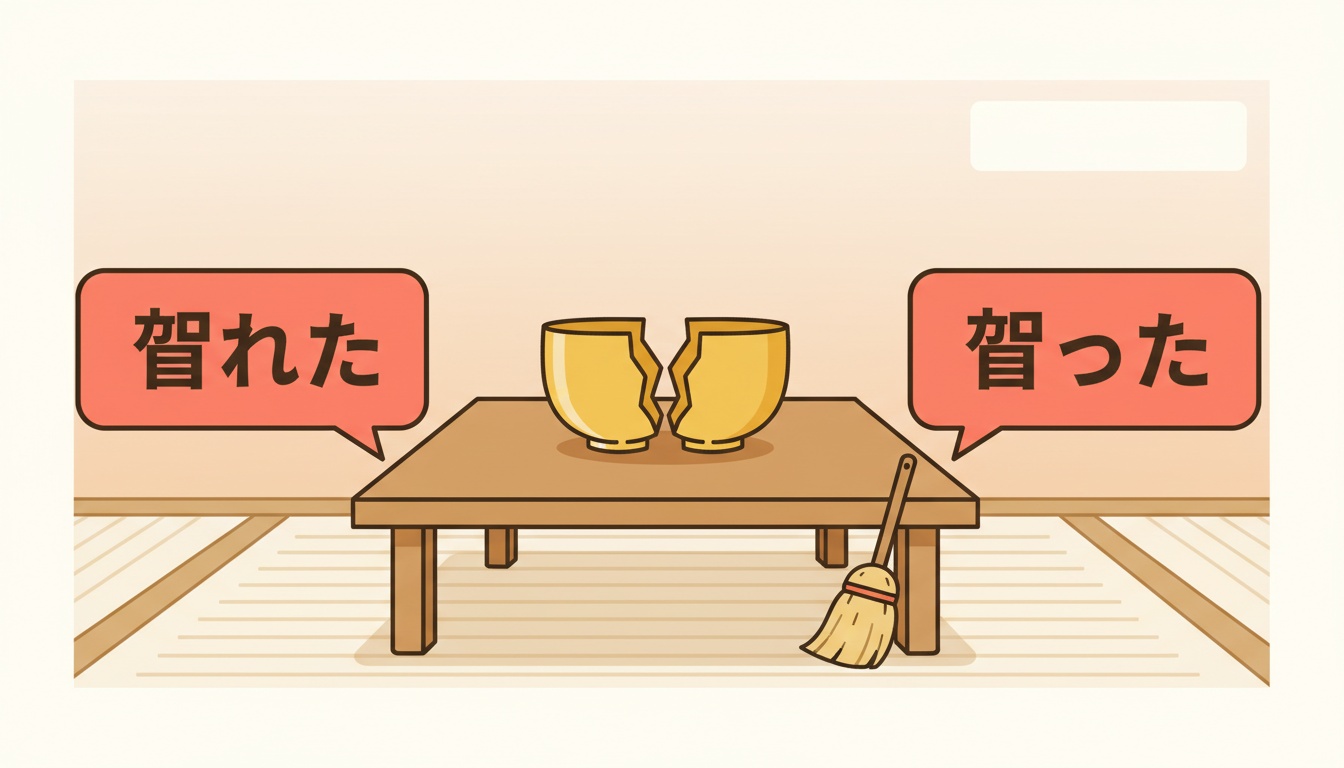
Japanese Verb Pairs: Why the Cup Broke Itself (and You Didn't Break It)
Japanese transitive and intransitive verb pairs trip up every English speaker. Learn the 6 shape families, the particle rule, and why the cup broke itself.

Why You Can Read Korean but Can't Understand It (Batchim)
Korean batchim rules reshape sounds at syllable boundaries. Learn the 7 final consonants and sound changes that unlock listening comprehension.

会, 能, 可以: Three Ways to Say 'Can' in Mandarin
Mandarin has three words for 'can' — 会, 能, and 可以. Each makes a different social claim. Here's how to pick the right one under pressure.

は vs が: Four Rules for Picking the Right Japanese Particle
Japanese は and が both get called 'subject marker,' and that shortcut is what breaks your sentences. Four rules that tell you which to pick, every time.

반말 vs 존댓말: Korean Speech Levels Without the Seven-Chart Panic
Korean speech levels terrify beginners, but real conversations use two. Learn -요 and -습니다 plus the one phrase that lets you switch safely.

了 Is Not Past Tense: The Mandarin Particle Textbooks Get Wrong
If your textbook said Mandarin 了 (le) is past tense, that's why your sentences keep breaking. Here's what 了 actually does — and when to leave it out.

Portuguese False Cognates: The Words That Ambush You by Scenario
Portuguese false cognates trip English speakers (and Spanish speakers) right when they matter most. Where they ambush you: pharmacy, café, office, travel.

French False Cognates: The Faux Amis That Ambush You by Scenario
French false cognates trip you up the moment you need them. Where faux amis ambush English speakers: café, office, pharmacy, bookstore, family, and what to say instead.

Mandarin Measure Words Beyond 个: A Shape-and-Function Guide
Stop saying 个 for everything. Learn the 12 Mandarin measure words, grouped by shape and function, that cover most daily speech and sound native.

Mother, Horse, Hemp, Scold: Why Mandarin Tones Trip Up Beginners
The mā/má/mǎ/mà trap is real, but Mandarin tones click once you stop chasing pitches and start hearing rhythm. Here's what beginners miss.

Spanish False Cognates: The Words That Ambush You by Scenario
Spanish false cognates trip you up the moment you need them. Where they ambush English speakers: pharmacy, office, dinner, and what to say instead.
5 Ways to Improve Your Spanish Listening
Practical strategies for building listening comprehension at any level, from podcast recommendations to the shadowing technique.